Hiking Tours 2026: Destinations, Planning Tips, and Travel Trends
Planning a hiking tour in 2026 is no longer just about choosing a famous trail and packing sturdy boots. Weather volatility, transport prices, permit systems, and the rise of guided and self-guided formats now shape the trip before the first step is taken. From alpine hut routes to coastal paths and cultural pilgrim walks, hikers have more ways to travel slowly and with purpose. This guide breaks down the destinations, planning choices, and trends that matter most before you book.
Article Outline
- Which destinations are likely to stand out in 2026, and how they compare by season, difficulty, and atmosphere
- How to plan a hiking tour realistically, including budget, fitness, gear, permits, and transport
- The travel trends shaping hiking holidays, from shoulder-season demand to sustainability and digital navigation
- How to match different tour styles to different hikers, whether you prefer comfort, challenge, culture, or flexibility
- A practical conclusion for choosing the right hiking tour in 2026 with confidence and clear priorities
1. Destinations to Watch for Hiking Tours in 2026
If 2026 has a defining theme for hiking travel, it is balance. Travelers still love world-famous routes, but many are now weighing beauty against crowding, convenience against remoteness, and challenge against recovery time. That shift makes destination choice more interesting than simply asking which trail is the most famous. The better question is which region fits your season, stamina, budget, and preferred pace.
Europe remains one of the strongest options for multi-day hiking tours because it offers exceptional infrastructure. The Dolomites in Italy continue to attract hikers who want dramatic limestone peaks, rifugios, and well-marked trails. Daily stages on classic hut-to-hut routes often range from 8 to 15 kilometers, though elevation gain can make even a short day feel demanding. The Tour du Mont Blanc, crossing France, Italy, and Switzerland, offers a more international and social experience, with many supported itineraries and baggage-transfer options. For hikers who want ocean views rather than high passes, Madeira and parts of coastal Portugal provide milder temperatures and gentler logistics.
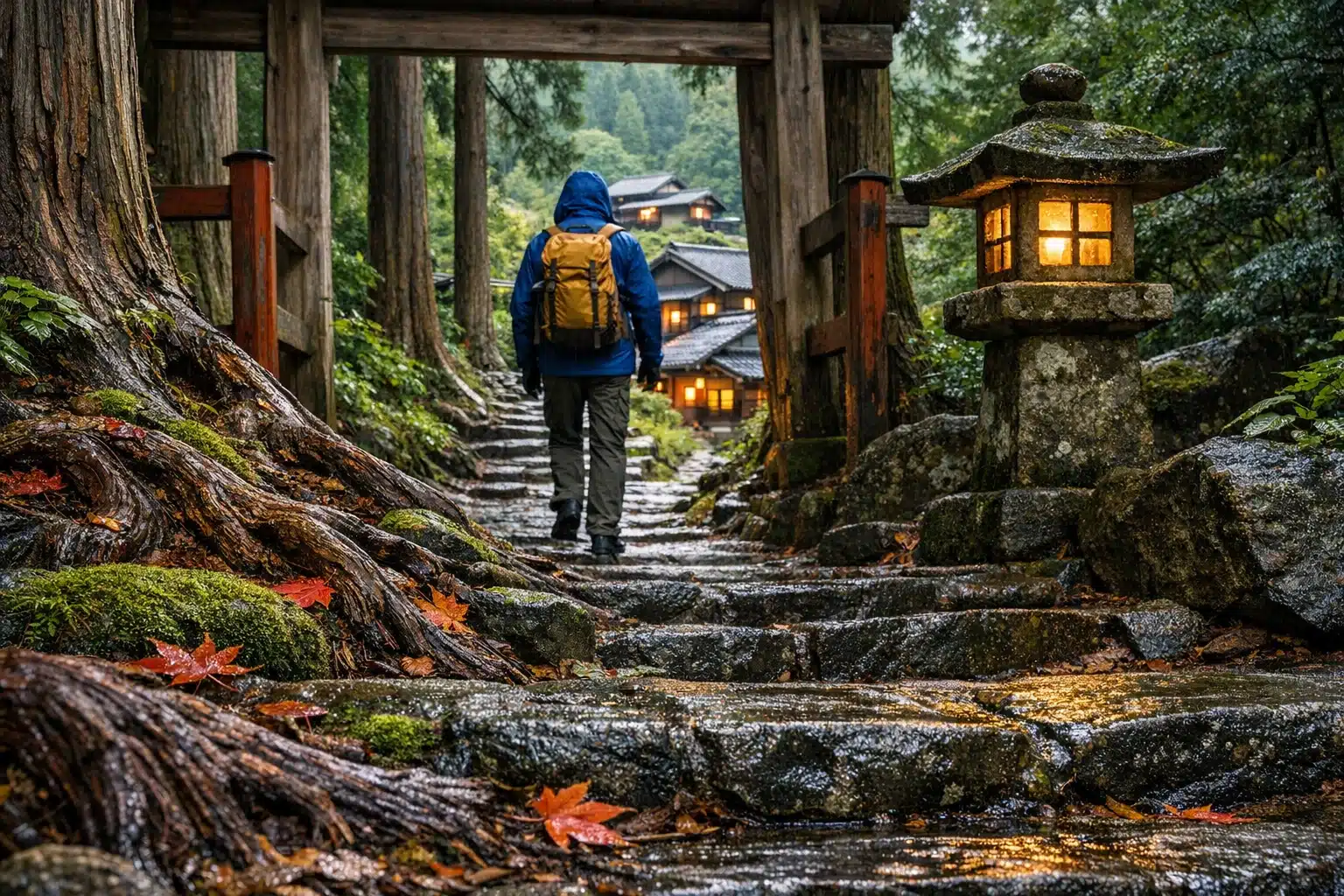
Asia adds a different rhythm. Japan’s Kumano Kodo and the Nakasendo route appeal to travelers who want hiking blended with history, inns, and cultural immersion. These are rarely about extreme altitude; instead, they reward consistency, curiosity, and an appreciation for detail. Nepal remains a classic, but many 2026 travelers may lean toward lower-altitude or moderate treks such as Poon Hill, Mardi Himal, or sections of the Annapurna region rather than only focusing on the most demanding high passes. These routes can still feel monumental, especially when sunrise turns the ridgelines gold and the air seems to ring like glass.
In the Americas, Patagonia is likely to remain a dream destination for strong walkers who accept that wind, distance, and fast-changing weather are part of the price of admission. Torres del Paine and Argentine Patagonia offer unforgettable scenery, though costs are usually higher than in many European destinations. Peru also stays relevant, but with ongoing interest in alternatives to heavily regulated routes, hikers increasingly compare the Inca Trail with options such as Salkantay or Lares, which offer different mixes of culture, altitude, and independence.
A simple comparison can help narrow the field:
- Choose the Alps or Dolomites for structure, comfort, and reliable trail services.
- Choose Japan for cultural depth, moderate walking days, and polished logistics.
- Choose Nepal for mountain scale and strong value, but plan carefully for altitude and access.
- Choose Patagonia for raw landscapes, longer travel distances, and a more weather-exposed adventure.
For 2026, the smartest destination may not be the one with the loudest reputation. It may be the trail that fits your month of travel, your appetite for effort, and the kind of memory you actually want to carry home.
2. Planning a Hiking Tour: Budget, Fitness, Gear, and Logistics
A successful hiking tour is built long before boots touch dirt. Good planning reduces stress, protects your budget, and makes it more likely that you will enjoy the journey rather than merely endure it. In 2026, that matters even more because popular routes often involve timed bookings, limited mountain accommodation, and transport links that reward early decisions.
Start with budget. Hiking tours vary enormously in price because the word hiking covers everything from a simple inn-to-inn village walk to a full-service alpine itinerary with guide fees, transfers, and upgraded lodging. A self-guided European walking holiday with mapped routes and luggage transfer can sometimes cost less than a fully guided mountain trek once you compare daily rates. On the other hand, guided trips in remote places may represent strong value because they bundle safety, transport, meals, local knowledge, and permit handling. Travelers should also leave room for hidden costs such as trekking poles bought at the last minute, trail snacks, gratuities, insurance, airport transfers, and weather-related contingency nights.
Fitness is the second pillar, and it is often misunderstood. You do not need to be an elite athlete for most hiking tours, but you do need to train for the kind of effort your route demands. Flat walking fitness does not always translate to steep terrain, and gym strength alone does not prepare you for repeated descents with a pack. A useful benchmark is to train with the same footwear and approximate pack weight you will use on the trip. If your itinerary includes daily ascents of 500 to 900 meters, your preparation should include hills or stair work, not just weekend strolls on easy ground.
Logistics deserve a checklist rather than guesswork:
- Book permits, mountain huts, and route-specific transport as early as possible on popular trails.
- Check passport validity, visa requirements, and travel insurance conditions, especially for altitude or guided trekking.
- Study the seasonal pattern of the route, including snowpack, heat, rain, and storm windows.
- Understand luggage rules for hut stays, internal flights, and shared transfers.
- Download offline maps, booking confirmations, and emergency contacts before departure.
Gear planning should focus on function, not fantasy. Most hikers are better served by a reliable layering system, broken-in footwear, and a well-fitted pack than by the newest gadget. Quick-drying clothing, a waterproof shell, sun protection, and basic blister care are almost universal needs. Trekking poles help many hikers more on descents than ascents, especially during multi-day tours.
The final planning decision is whether to go guided or self-guided. Guided tours reduce decision fatigue and can be especially valuable in remote, high-altitude, or culturally unfamiliar regions. Self-guided tours offer freedom and often more private pacing, but they demand navigation confidence and stronger personal accountability. In short, planning is not paperwork around the adventure. It is part of the adventure, and it often determines whether the trip feels smooth, safe, and genuinely restorative.
3. Travel Trends Shaping Hiking Tours in 2026
Hiking tours in 2026 are being shaped by broader travel behavior, not just by trail popularity. The modern walking holiday sits at the meeting point of outdoor recreation, responsible tourism, digital convenience, and changing climate realities. As a result, many travelers are approaching hiking trips with a sharper eye for timing, comfort, and local impact.
One of the clearest trends is the move toward shoulder-season travel. Instead of aiming automatically for the busiest summer weeks, many hikers are comparing late spring and early autumn departures. The reasons are practical: milder temperatures, fewer crowds, and sometimes better pricing. In mountain regions, however, shoulder-season hiking requires more care because snow can linger on higher passes and daylight hours may be shorter. The reward is often a better atmosphere. A trail shared with birdsong, wind, and the occasional cowbell feels very different from a trail that resembles a queue.
Another major shift is the preference for smaller groups and more flexible itineraries. Many operators now design tours around groups of roughly 8 to 12 people, or they offer hybrid structures where local guides join only for certain sections. This appeals to travelers who want support without feeling as if they are trapped in a moving schedule. Rail-connected hiking is also gaining attention. Routes in Switzerland, Austria, northern Spain, and parts of Japan are especially attractive because hikers can reduce internal flights and connect trailheads by train or public bus with relative ease.
Technology is improving the hiking experience, but not replacing judgment. Route apps, GPX files, live weather tools, translation features, and eSIM connectivity make travel smoother, especially on self-guided tours. At the same time, experienced hikers know that a phone is a convenience, not a rescue plan. Battery life, signal gaps, and mountain weather still matter. Increasingly, travelers combine digital tools with old-fashioned habits: printed notes, paper maps on serious routes, and a clear turnaround time.
Sustainability is no longer a niche talking point; it is becoming part of how tours are chosen. Hikers are asking where their money goes, whether local guides are involved, how waste is handled, and whether the itinerary respects seasonal limits and sensitive ecosystems. In many places, climate change is already affecting route timing through heat waves, wildfire risk, rainfall extremes, or unstable snow conditions. That makes flexible planning more valuable than rigid bucket-list thinking.
- Expect more demand for quieter trails and secondary mountain regions.
- Expect stronger interest in baggage-transfer walking holidays and comfort-focused hut stays.
- Expect travelers to compare carbon footprint, public transport access, and local economic benefit.
- Expect weather resilience to matter as much as scenic appeal.
In other words, the hiking tour of 2026 is not only about where you walk. It is also about how thoughtfully the trip is built around the landscape, the season, and the people who live along the way.
4. Choosing the Right Tour Style for Your Goals and Experience
Not every hiking tour is trying to deliver the same experience, and that is good news. The right trip for one traveler can be completely wrong for another, even if both are fit and enthusiastic. Some hikers want long, tough days and a sense of expedition. Others want eight good kilometers, a warm meal, and enough time to sit in a village square and watch the evening settle over stone walls. Choosing the right tour style is often more important than choosing the most famous destination.
For beginners or casual walkers, center-based tours can be ideal. These involve staying in one hotel or lodge and doing different day hikes from a fixed base. They simplify luggage, reduce navigational stress, and allow tired hikers to skip a day without derailing the whole trip. They work especially well in regions with dense trail networks, such as the Austrian Alps, the Lake District, or parts of Slovenia. Families and mixed-ability groups often benefit from this format because daily options can be adjusted.
Hut-to-hut or inn-to-inn tours suit hikers who want a stronger sense of journey. Every day brings a new valley, ridge, or settlement, and that movement creates momentum. These tours are often the sweet spot for people who want challenge without carrying camping equipment. Typical days might involve 10 to 18 kilometers of walking and several hundred meters of ascent. The style works beautifully in the Dolomites, along the Camino de Santiago, on sections of the Alps, and in many Japanese or British long-distance paths. The trade-off is that you need to keep moving; there is less room for slow starts and lazy detours.
Then there are adventure-focused trekking tours, often found in Nepal, Patagonia, Peru, or high mountain areas of Central Asia. These demand more preparation and a more honest self-assessment. Altitude, remoteness, rougher accommodation, or long transfer days can play a bigger role than many first-time trekkers expect. They are deeply rewarding, but they suit hikers who value wild scale over convenience.
Guided and self-guided formats cut across all of these categories. Guided tours are often best for hikers who want interpretation, local context, route management, and a steadier sense of security. Self-guided tours attract independent travelers who enjoy choosing lunch stops, adjusting pace, and walking in companionable silence rather than group rhythm.
- Choose center-based trips for flexibility and lower logistical pressure.
- Choose hut-to-hut or inn-to-inn tours for immersion and momentum.
- Choose pilgrimage and cultural trails for moderate walking with strong heritage value.
- Choose remote trekking itineraries for bigger physical and emotional payoff, but only with realistic preparation.
When you match the style to your real preferences, the trip feels less like a test and more like a conversation between you and the landscape.
5. Conclusion: How to Choose a Hiking Tour in 2026 That Truly Fits You
For most travelers, the best hiking tour in 2026 will not be the longest, the highest, or the one that appears most often on social media. It will be the one that matches your available time, your walking background, your comfort level with logistics, and the kind of experience you want at the end of each day. That may mean a scenic week in the Dolomites with comfortable rifugios, a culturally rich walk in Japan with luggage waiting at the next inn, or a more ambitious trek in Nepal after months of preparation. The point is not to chase someone else’s highlight reel. It is to choose a route that lets you be fully present.
If you are new to multi-day walking holidays, keep the structure simple. Favor good trail infrastructure, moderate daily distances, and accommodation that gives you a real chance to recover. If you are an experienced hiker looking for something fresh, 2026 may be an excellent year to explore alternatives to the usual flagship routes, especially in shoulder seasons or lesser-known regions that offer fewer crowds and stronger local character. If you care about value, remember that price alone rarely tells the full story. A slightly more expensive trip with clean logistics, smart pacing, and reliable support can feel far better than a cheaper itinerary stitched together without breathing room.
Before you book, ask yourself a few direct questions:
- How many consecutive days can I comfortably walk with elevation gain?
- Do I want independence, or do I want someone else to handle navigation and daily decisions?
- Am I traveling for mountain drama, cultural depth, wildlife, comfort, or a mix of all four?
- What season suits my body and schedule best?
- How much uncertainty am I willing to accept with weather, transport, and trail conditions?
Hiking remains one of the rare forms of travel that can feel both expansive and grounded. You move slowly enough to notice scent, texture, weather, architecture, and small human details that disappear in faster itineraries. A good hiking tour does not just take you somewhere attractive; it changes the tempo of attention. For readers planning 2026 travel, that is the real opportunity. Choose wisely, train honestly, pack with restraint, and leave room for wonder. The path ahead is not only a route on a map. It is a way of traveling better.