Most Popular All-Inclusive Resorts in 2026
Outline and What Makes an All-Inclusive Resort Popular in 2026
Planning a resort holiday in 2026 feels different from just a few years ago. Travelers are no longer choosing all-inclusive stays only for unlimited buffets and pool bars; they are looking for better value, clearer pricing, stronger dining standards, family-friendly design, and experiences that feel tailored rather than generic. That shift matters because the most popular resorts now compete on quality, not simply on quantity, and it changes how smart travelers compare options.
Before looking at specific regions, it helps to define what “most popular” really means. In travel, popularity is rarely a single crown placed on one beachfront property. It usually reflects a mix of strong booking demand, wide brand recognition, positive guest feedback, repeat visitation, convenient flight access, and social visibility. A sprawling family resort in Punta Cana may be hugely popular for multigenerational trips, while a sleek adults-only property in the Riviera Maya may dominate honeymoon wish lists. Both can be popular, but for very different reasons.
In 2026, several features are shaping traveler choices more strongly than before. Guests increasingly want transparent inclusions, upgraded room categories, high-quality coffee and cocktails, flexible dining reservations, and apps that actually make a stay smoother instead of more complicated. Sustainability is also part of the conversation, although travelers often judge it through practical signs such as refillable water stations, reduced single-use plastic, reef-safe practices, and local sourcing rather than through grand slogans.
- Section 1 explains the trends behind resort popularity in 2026.
- Section 2 compares the Caribbean and Mexico, still the most dependable all-inclusive strongholds.
- Section 3 looks at the Mediterranean, where all-inclusive holidays continue to expand in appeal.
- Section 4 explores luxury island and long-haul options in the Indian Ocean and Asia-Pacific.
- Section 5 concludes with practical advice for choosing the right resort for your travel style.
The appeal of the all-inclusive model is easy to understand. A trip feels calmer when meals, drinks, entertainment, and many activities are folded into one rate. There is a quiet pleasure in not reaching for your wallet every hour, especially when traveling with children, extended family, or a group of friends with different budgets. Yet the smartest travelers in 2026 know that not all-inclusive plans are created equal. Some resorts include premium dining, airport transfers, water sports, and childcare, while others charge extra for the very experiences that appear in the brochure photos. That is why a useful popularity guide must do more than name well-known resorts; it must explain what each type of stay does best.
Caribbean and Mexico: The Reliable Favorites That Still Lead the Pack
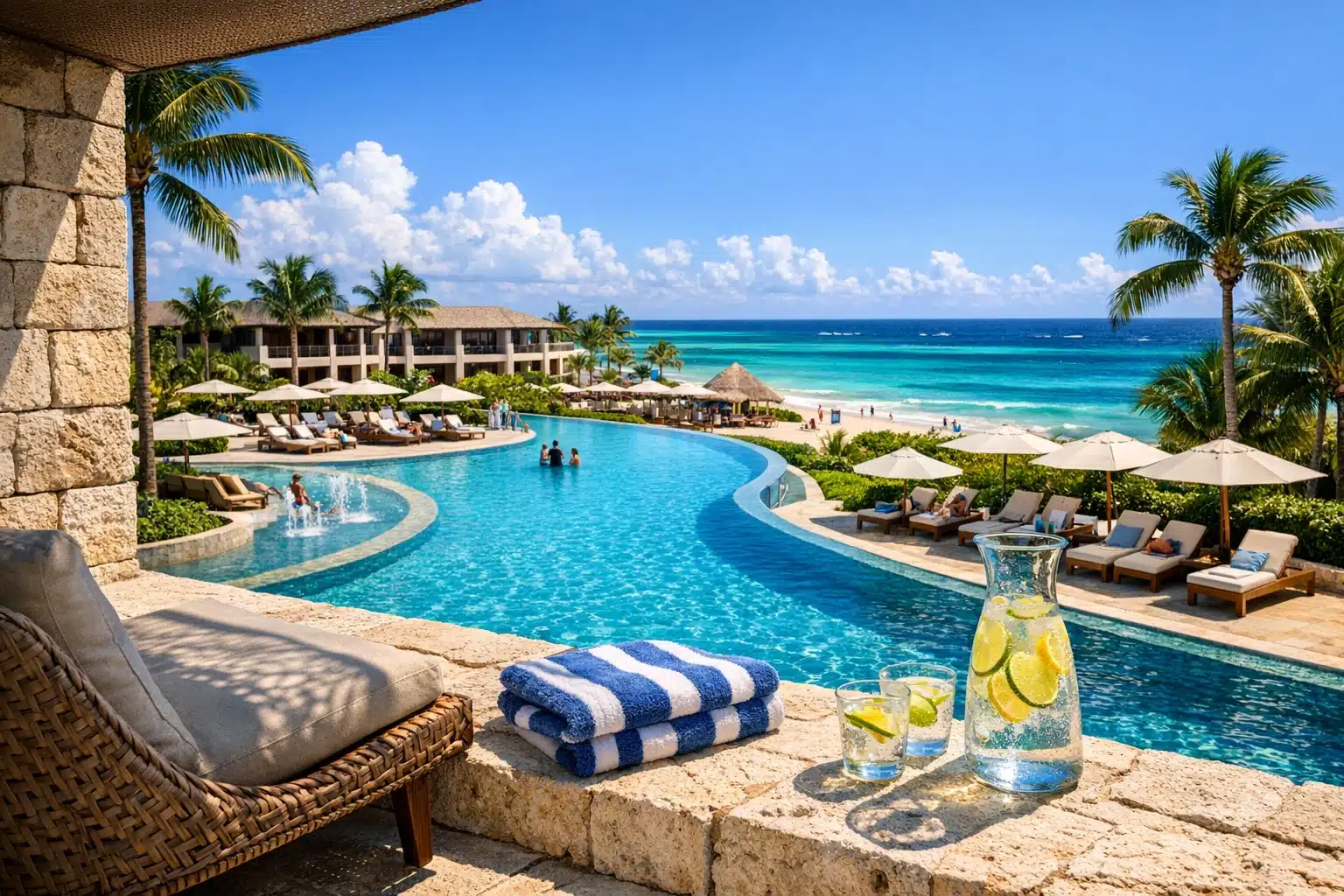
When people imagine a classic all-inclusive holiday, the Caribbean and Mexico usually appear first. That is not an accident. These regions combine warm weather, broad hotel inventory, strong air connections, and a long-established resort culture that knows how to serve families, couples, weddings, and group trips at scale. In 2026, destinations such as Cancun, the Riviera Maya, Punta Cana, Montego Bay, and Turks and Caicos remain among the most recognizable and frequently shortlisted names in the category.
Mexico continues to stand out because it offers enormous range. Resorts like Moon Palace Cancun appeal to travelers who want a large-property experience with extensive dining, activities, and entertainment. Grand Velas Riviera Maya is often associated with a more refined luxury version of the all-inclusive concept, where fine dining and service are central selling points rather than pleasant surprises. Adults-only travelers often look toward names such as Secrets Moxché Playa del Carmen, where design, nightlife, and a more polished atmosphere matter as much as beach access. Families, meanwhile, often favor properties with water parks, kids clubs, suites built for larger groups, and easy airport transfers.
The Dominican Republic keeps its place on the popularity list for a simpler reason: value. Punta Cana remains one of the easiest destinations to book for travelers who want wide beaches, direct flights, and a large selection of resorts at different price points. Club Med Punta Cana continues to attract active families and travelers who like a resort with sports programming, while several major international chains compete through upgraded room categories, swim-up suites, and club-level benefits.
Jamaica has a slightly different energy. Many travelers choose it not only for resort quality but for atmosphere, music, local flavor, and easy-to-understand brand identities. Sandals Dunn’s River and other Sandals properties remain highly visible in the adults-only market, especially for couples celebrating honeymoons or anniversaries. Beaches Turks and Caicos, while technically in another destination, often enters the same planning conversation for families comparing premium all-inclusive brands.
- Best for families: large resorts with kids clubs, splash zones, and suite options.
- Best for couples: adults-only resorts with stronger dining and evening ambiance.
- Best for value seekers: Punta Cana and selected Riviera Maya properties in shoulder season.
- Best for luxury: higher-end Mexican resorts with standout service and culinary programs.
The region’s biggest advantage is predictability. Travelers know what they are getting, and that matters. The beach may be the postcard, but the real engine of popularity is ease: short transfer times in many cases, frequent flights, familiar brands, and resort formats designed to reduce decision fatigue. For many travelers in 2026, that combination still wins.
Mediterranean Momentum: Why Spain, Greece, and Turkey Are Winning More Attention
While the Caribbean and Mexico remain the default image of the all-inclusive holiday, the Mediterranean is one of the most interesting growth stories in 2026. For European travelers in particular, all-inclusive resorts in Spain, Greece, and Turkey offer a compelling mix of sun, short-to-medium flight times, and the chance to combine a resort stay with cultural sightseeing. That last point matters. Mediterranean holidays often feel less sealed off than tropical resort trips. You can spend the morning at a beach club, the afternoon in an old town, and the evening at a hotel dinner terrace with sea views and grilled local fish.
Spain continues to attract broad demand through destinations such as Mallorca, the Canary Islands, and the Costa del Sol. Resorts here often appeal to families who want dependable weather, child-friendly pools, and convenient package options. The Spanish all-inclusive style is typically less about flashy abundance and more about reliable comfort, strong breakfast and dinner service, and easy access to beaches or promenades. Iberostar properties, for example, remain visible for travelers who care about well-run beachfront stays and sustainability efforts that feel more operational than decorative.
Greece has gained a particularly strong reputation in the upscale end of the market. Resorts in Crete, Rhodes, Kos, and Corfu benefit from stunning coastlines, but the real differentiator is atmosphere. Many higher-end Greek resorts aim for a sense of calm elegance rather than nonstop activity. Ikos resorts are frequently cited in this space because they have helped redefine what luxury all-inclusive can look like in Europe: high service levels, à la carte dining, family-friendly facilities, and polished design that avoids the crowded feel some travelers associate with the category.
Turkey remains one of the heavyweight destinations for all-inclusive volume, especially around Antalya and Belek. It has long offered a powerful value proposition, with large resort compounds, extensive pool scenes, strong family infrastructure, and competitive pricing for what is often a generous list of inclusions. Rixos and similar brands are often mentioned by travelers who want a bigger, more entertainment-rich resort environment.
The Mediterranean does, however, differ from the Caribbean in a few important ways. Seasonality is sharper, beach weather is more concentrated, and the experience often leans more toward regional cuisine and destination character than endless poolside indulgence. That is exactly why many travelers are paying closer attention. In 2026, popularity is not just about who offers the most; it is also about who offers the most suitable version of escape. For travelers who want sea, culture, and an easier bridge between resort comfort and local discovery, the Mediterranean is no longer a secondary option. It is a serious first choice.
Long-Haul Luxury: The Indian Ocean, Island Retreats, and High-End Escapes
If the Caribbean is the reliable favorite and the Mediterranean is the rising challenger, then the Indian Ocean and select Asia-Pacific destinations represent the aspirational edge of the all-inclusive market in 2026. These are the places people save Pinterest boards for, the kind of resorts where the sea seems to glow at breakfast and the arrival by boat or seaplane feels like the vacation has already written its opening line. Yet beneath that cinematic quality, there are practical reasons these resorts are gaining attention: privacy, premium service, and a growing number of packages that simplify long-haul travel costs.
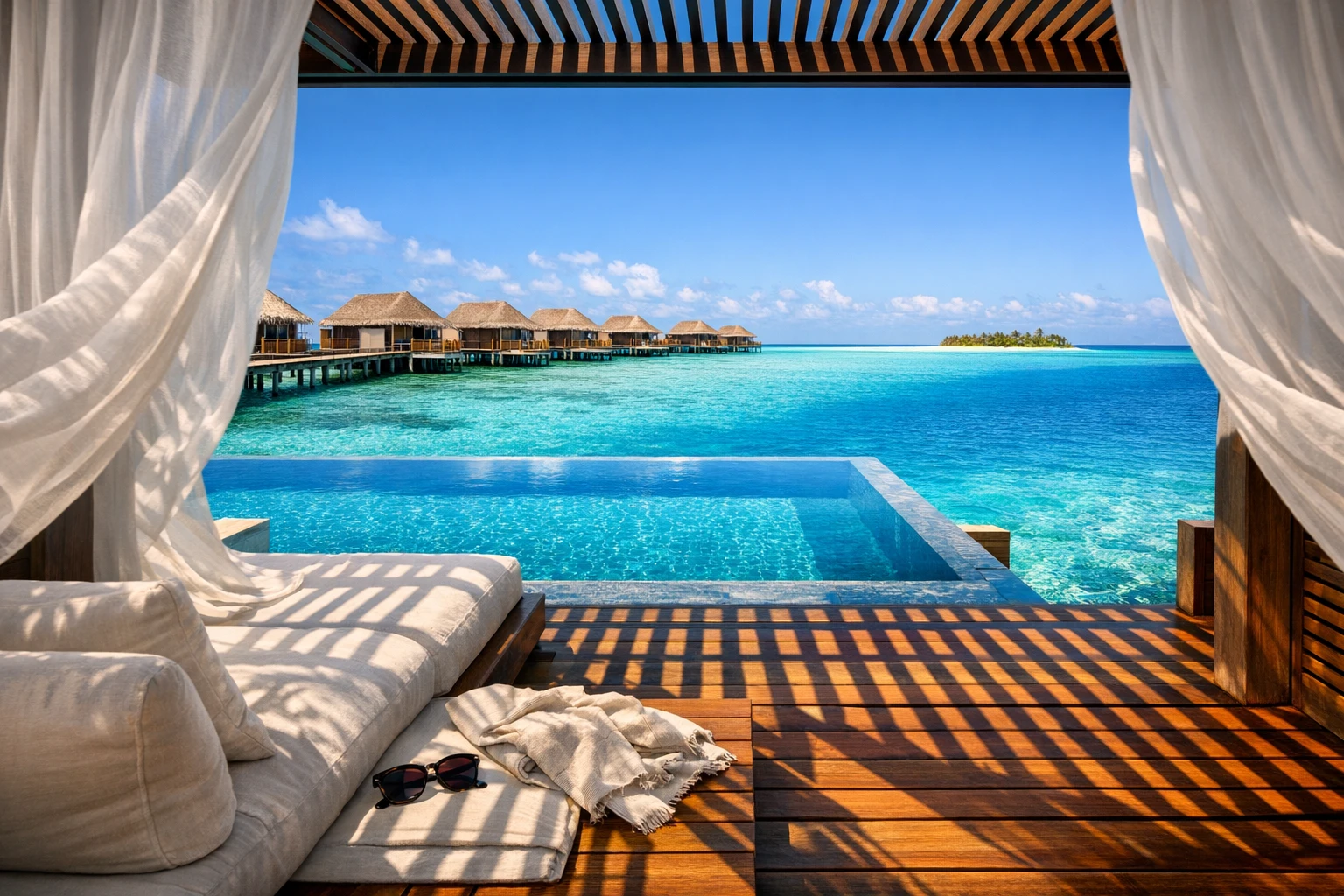
The Maldives remains the clearest example. Not every Maldivian resort is all-inclusive, which is exactly why travelers must read the details carefully. On islands where nearly everything depends on the resort itself, meal plans can make a huge difference to total trip cost. Resorts such as Club Med Kani keep drawing attention because they package a substantial part of the experience into one price. Other luxury resorts offer all-inclusive or premium all-inclusive options that may include dining, beverages, snorkeling gear, excursions, or spa credits. The main comparison point in the Maldives is not simply beauty, because beauty is almost assumed. The real question is how complete the package feels once transfer fees, specialty dining, and activities are added.
Mauritius and the Seychelles also belong in the 2026 conversation. Mauritius often appeals to travelers who want a blend of resort comfort and island exploration, with easier access to golf, hiking, markets, and scenic drives than some one-island resort formats allow. The Seychelles tends to speak more directly to travelers seeking dramatic natural beauty and a quieter luxury tone. In both places, high-end all-inclusive options are especially attractive for couples who want a calm, service-led stay without a long list of extra charges appearing at checkout.
Elsewhere in the broader luxury space, selected resort areas in the UAE and parts of Southeast Asia are drawing more interest from travelers who want shorter long-haul alternatives or multi-stop itineraries. These destinations do not always follow the classic all-inclusive blueprint, so package quality varies. Some excel at wellness, others at beach clubs, and others at family programming tied to water parks or desert experiences.
What unites these long-haul favorites is not just prestige. It is the promise of controlled indulgence. Travelers are willing to go farther when the experience feels cohesive, premium, and easy to budget for. In 2026, that combination is turning remote luxury into something surprisingly practical for the right traveler.
Conclusion: How to Choose the Right Popular Resort for Your Travel Style in 2026
The most popular all-inclusive resorts in 2026 are not popular for one universal reason, and that is good news for travelers. It means the right choice depends less on headlines and more on fit. A family of five may value connecting rooms, a strong kids club, and short airport transfers above all else. A couple planning a milestone trip may care far more about adults-only peace, excellent dining, and a room with a plunge pool. A friend group may place nightlife, flexible room configurations, and beach service near the top of the list. Popularity can point you toward trusted names, but it should never replace careful matching.
As you compare resorts, the smartest approach is to move beyond the brochure language and ask what is truly included. A property can look glamorous online and still become expensive if premium restaurants, airport transfers, room service, water sports, or childcare are charged separately. In 2026, the strongest resorts are often the ones that reduce those unpleasant surprises. They may not always have the loudest advertising, but they leave guests feeling that the price matched the promise.
- Check whether airport transfers are included, especially on island destinations.
- Read the dining policy to see if reservations, premium menus, or limited seating create friction.
- Review the beach situation carefully, since some popular resorts are better for pools than swimming.
- Compare room categories, because “ocean view” and “oceanfront” can mean very different things.
- Look at the destination season, not just the resort photos, before committing to dates.
For first-time all-inclusive travelers, Mexico and the Caribbean remain the easiest entry points because the model is mature, the choices are wide, and the flight networks are strong. For travelers who want a more regionally flavored holiday with sightseeing potential, Mediterranean resorts make increasing sense. For those planning a once-in-a-while splurge, the Maldives, Mauritius, and similar long-haul escapes can be worth the extra distance when the package is genuinely comprehensive.
In the end, the best way to read a list of popular resorts is not as a contest but as a map. Some roads lead to lively family fun, some to polished romance, and some to the quiet thrill of waking up above a lagoon so blue it looks invented. If you choose with your priorities in mind, the most popular all-inclusive resorts of 2026 can offer more than convenience. They can give you the rare pleasure of a trip that feels effortless once you arrive, which is still one of travel’s finest luxuries.