Garden Pergola Kit: A Practical Buying Guide
A garden pergola kit can turn an open patch of yard into a defined, comfortable place for dining, reading, or simply escaping the noon sun. It matters because most homeowners want outdoor upgrades that feel custom without demanding custom-level planning, fabrication, and cost. A well-chosen kit brings structure, shade potential, and visual balance to a garden while keeping installation more predictable. This guide explains how to compare materials, sizes, roof styles, and pricing so you can buy with fewer surprises and better long-term value.
Outline: 1) what a pergola kit is and why it suits many gardens; 2) how common materials and designs compare; 3) how to plan size, placement, and site conditions; 4) what to check when comparing prices and features; 5) how installation, maintenance, and buyer goals shape the final decision.
What a Pergola Kit Really Adds to a Garden
A pergola kit is a packaged outdoor structure that typically includes posts, beams, rafters, hardware, and assembly instructions. Some kits also include shade canopies, privacy panels, post bases, or adjustable louvers. In practical terms, it is a shortcut to structure. Instead of starting with raw lumber, engineering calculations, and a blank page, the buyer gets a pre-designed framework that is meant to go together in a logical sequence. That simplicity is the main reason pergola kits have become so popular among homeowners who want a polished result without commissioning a fully custom build.
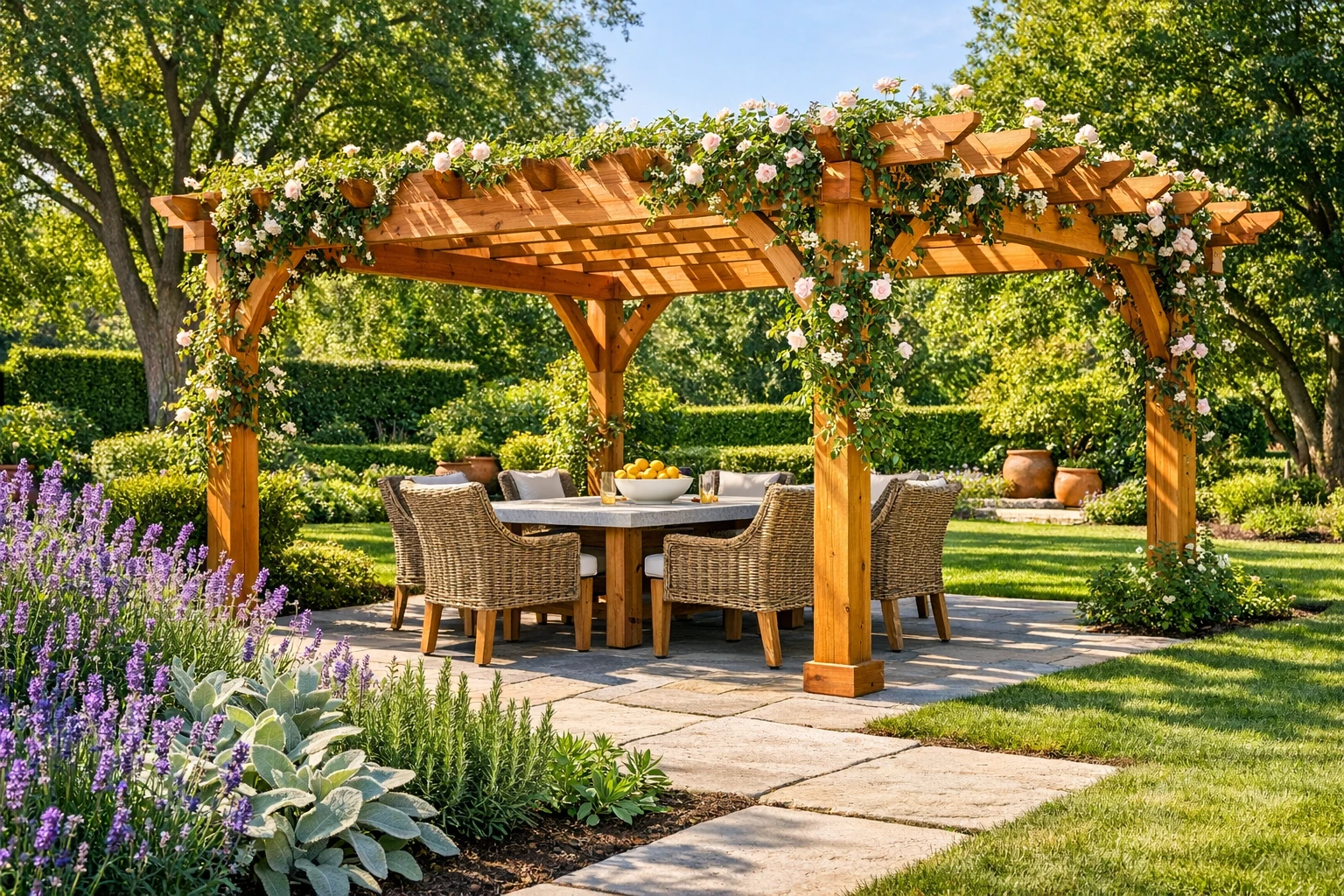
In a garden, a pergola does more than sit there looking attractive. It creates a visual destination. Even a simple rectangular frame can make a yard feel organized, almost as if someone drew a calm line through the landscape and gave it purpose. A seating area under a pergola feels intentional rather than temporary. A path that leads to one feels more inviting. Climbing plants such as jasmine, wisteria, or climbing roses suddenly have a stage instead of a struggle.
Compared with a gazebo, a pergola is usually more open and airy. A gazebo often has a full roof and a more enclosed feeling, while a pergola allows filtered light and stronger connection to the garden around it. Compared with a custom pergola built from scratch, a kit usually offers: • faster planning • more predictable material quantities • easier budgeting • fewer design errors for first-time builders
That does not mean every kit is equally good. A basic kit may provide only the frame, leaving the buyer to handle anchoring, footings, or shade accessories. Higher-end models may include engineered components for stronger wind performance or adjustable roof systems for better control of sun and rain. The real value lies in matching the structure to the way the garden is used. For a family that hosts weekend lunches, the pergola becomes an outdoor dining room. For a gardener, it can anchor a path, frame a focal point, and support vines that soften the hard lines of timber or metal. For someone working with a plain backyard, it can be the feature that turns empty space into usable space.
In that sense, a pergola kit is not merely a product. It is a planning tool disguised as an architectural feature. It helps define how people move, gather, and relax outdoors, which is why buying the right one matters more than many shoppers first assume.
Materials and Design Choices: Wood, Aluminum, Vinyl, and More
The material of a pergola kit shapes almost everything that follows: appearance, maintenance, durability, price, and even the mood of the garden. Choosing between wood, aluminum, vinyl, or steel is not simply a style decision. It is a practical one, and climate should always be part of the conversation.
Wood remains the classic option because it looks natural in planted spaces and can be stained or painted to suit many design styles. Cedar and redwood are valued for their natural resistance to decay and insects, while pressure-treated pine is often chosen for lower upfront cost. Wood has strong visual warmth, and that matters. In a cottage garden or a yard with lots of planting, it often feels like it belongs there from day one. The trade-off is maintenance. Depending on exposure and finish, wood may need cleaning, sealing, staining, or repainting every few years. In wet regions, neglected wood can weather quickly.
Aluminum pergola kits are popular for a different reason: low maintenance. Powder-coated aluminum resists rust well, keeps a crisp finish, and is lighter than steel while still being strong enough for many residential applications. It suits modern patios, contemporary gardens, and buyers who would rather not spend weekends refinishing posts. Vinyl also appeals to low-maintenance shoppers. It typically will not peel like paint, and it is easy to clean, but quality varies. Some vinyl pergolas use aluminum or steel inserts for reinforcement, which is worth checking because structural strength matters far more than glossy marketing photos.
Steel pergolas can offer impressive strength and a sleek profile, but they need proper protective coatings to resist corrosion, especially in coastal or humid areas. When a steel finish is scratched and left untreated, rust can become a real issue over time.
Design choices matter just as much as material. Common styles include freestanding pergolas placed in a garden or over a patio, and attached pergolas connected to the house for easier transition between indoor and outdoor living. Roof design also changes the experience: • open-top rafters create partial shade and a light, airy look • retractable canopies add flexible shade • louvered roofs allow greater control over sun and, in some models, light rain • privacy screens or slat walls help with wind and nearby sightlines
A good way to compare options is to match them to priorities. If natural character matters most, wood often wins. If minimal upkeep is the goal, aluminum or vinyl usually makes more sense. If you want a modern garden with crisp geometry, metal systems often look sharper. The best choice is not universal. It is local, personal, and tied to how you want the space to age over the next five to ten years.
Sizing, Placement, and Site Planning Before You Buy
Many pergola problems begin before the box arrives. A structure can be beautifully made and still feel awkward if it is too small, too tall, too close to the house, or dropped into the wrong part of the garden. Good planning starts with use, not measurements alone. Ask the simplest question first: what should happen under this pergola? A dining setup needs more room than a reading bench. A hot tub has different clearance needs than a small bistro table. A walkway pergola functions differently from one intended as an outdoor room.
Common residential pergola kit sizes include 10 x 10 feet, 10 x 12 feet, 12 x 12 feet, and 12 x 16 feet. Those numbers sound straightforward, but furniture and circulation change everything. A dining table with chairs typically needs room for people to pull seats back comfortably, and designers often aim for around 30 to 36 inches of circulation around major furniture. Height matters too. Many pergolas fall in the 8- to 10-foot range, which feels open without becoming visually disconnected from the patio or planting beds below.
Placement should also respond to sun, wind, drainage, and views. A pergola built for afternoon lounging may be most useful on the west side of the yard where sun can be intense later in the day. A dining pergola near the kitchen improves convenience. A garden pergola placed at the end of a path can create a focal point that makes the whole landscape feel larger. This is where a little imagination goes a long way. Stand in the yard at different times of day. Watch where shadows fall. Notice whether water pools after rain. A pergola should feel settled into the site, not dropped onto it.
Before purchase, check practical constraints: • local permit requirements • homeowner association rules • underground utilities • footing depth based on frost line • slope or uneven paving • access for delivery and installation
Anchoring is especially important. Some kits can be mounted on existing concrete slabs, while others need new footings for proper stability. In windy areas, engineered anchoring details matter more than decorative trim ever will. If your region gets heavy snow, verify load guidance carefully, especially for pergolas with canopies or louvers.
Good site planning saves money because it prevents redesign, relocation, and disappointing fit. A well-sized pergola feels generous without overwhelming the yard. A well-placed one feels like it was always meant to be there. That is often the difference between a garden feature that is admired and one that is actually used.
How to Compare Pergola Kits, Features, and Total Cost
When buyers compare pergola kits, price is often the first filter and the least reliable guide. Two kits that look similar in photos may be very different in structural quality, finish, included hardware, warranty coverage, and installation demands. The smarter approach is to compare what is actually being sold, what is left out, and what will need to be purchased later.
Start with the contents of the kit. Some packages include only the frame components and visible fasteners. Others include post bases, anchoring brackets, shade canopies, privacy walls, integrated drainage, or motorized roof controls. If one kit is much cheaper than another, there is usually a reason. The lower price may reflect thinner material, fewer accessories, a shorter warranty, or the absence of engineering documentation. That does not automatically make it a bad buy, but it does mean the shopper should compare apples to apples.
Broadly speaking, simpler small pergola kits may start in the high hundreds or low thousands depending on material and finish, while larger premium systems with louvers, heavy-duty frames, or custom accessories can cost several thousand dollars more. Beyond the sticker price, buyers should account for: • delivery charges • concrete and footing work • permits • stains, paint, or sealers for wood • electrician costs for lighting or fans • professional installation if DIY becomes unrealistic
Reading product specifications is essential. Look for information on post dimensions, beam size, finish quality, anchoring method, and whether the system has been tested or engineered for certain wind conditions. Warranty terms deserve close attention as well. A long warranty on finish but not structure tells a different story than strong structural coverage with clear installation requirements. Reviews can help, especially when they mention fit, assembly clarity, missing parts, or how the pergola held up after more than one season. The most useful reviews discuss the second year, not just the first weekend.
A practical comparison checklist can save time: • What exact dimensions are measured, roof line or post footprint? • Are anchor bolts included? • Is the pergola freestanding or designed for attachment? • Can replacement parts be ordered later? • Does the finish suit coastal, hot, or snowy climates? • Is the stated assembly time realistic for two people?
Shopping for a pergola kit is a little like buying a suitcase for a long trip. The shine on the outside matters, but what counts is whether it handles stress, weather, and repeated use without becoming a nuisance. A good purchase is not the cheapest option on the screen. It is the one that balances material quality, useful features, installation reality, and the kind of garden life you actually want to have.
Installation, Maintenance, and Final Advice for Homeowners
Once the right pergola kit is chosen, the next decision is whether to install it yourself or hire help. The answer depends on three things: skill level, available time, and the complexity of the kit. A simple freestanding unit on an existing slab may be manageable for a careful DIY team with standard tools, ladders, and patience. A larger pergola with electrical additions, roof louvers, or custom footings often benefits from professional installation. Even experienced homeowners sometimes underestimate how awkward long beams and tall posts can be when lifted into place. A pergola may look graceful when finished, but during assembly it behaves more like a puzzle made of sails and levers.
Most manufacturers provide an estimated install time, but site conditions can change the schedule quickly. Uneven ground, missing anchors, hard soil, or delayed concrete curing can add days rather than hours. Safety matters throughout the process. Heavy components should be lifted by enough people, fasteners should be torqued as directed, and ladders should be used carefully on stable surfaces. If local code requires inspected footings or permits, those steps should come before the structure rises.
Maintenance depends heavily on material. Wood usually needs the most attention, but it also offers the most flexibility for refinishing. Aluminum and vinyl generally need periodic washing and inspection of connections rather than major surface treatment. Good long-term habits include: • checking bolts and brackets seasonally • clearing leaves and debris from roof or canopy elements • washing surfaces to prevent buildup of dirt, pollen, or mildew • trimming aggressive vines that can trap moisture or add unexpected weight • inspecting finishes after storms or winter weather
Different buyers should prioritize different features. A first-time homeowner often benefits from a straightforward kit with clear instructions and modest maintenance needs. A dedicated gardener may value a design that supports climbing plants and sits comfortably within beds and borders. Entertainers may want larger spans, integrated lighting, and stronger shade control. Buyers who dislike upkeep should lean toward aluminum or well-reinforced vinyl instead of untreated or poorly finished wood.
For most homeowners, the best pergola kit is the one that matches the garden’s scale, the climate’s demands, and the household’s habits. If you eat outdoors often, plan around dining comfort. If you garden as a way to unwind, choose a structure that complements planting and gives the yard a focal point through every season. If budget is tight, spend on structural quality first and decorative extras later. A pergola should not just photograph well on installation day. It should still feel useful, solid, and inviting after years of sun, rain, vines, meals, and quiet evenings outside.