Corner Sofa Set Buying Guide: Styles, Materials, and Space Planning
Choosing a corner sofa set is about far more than filling an empty wall; it shapes how a room flows, how people gather, and how comfortably daily life unfolds. The right model can turn a cramped lounge into a practical social space or give an open-plan room a clear visual anchor. Because these sofas involve significant cost, exact measurements, and years of use, buyers benefit from understanding layout, materials, construction, and maintenance before making a decision. This guide breaks those details down in a way that is easy to compare and apply.
Outline
- What a corner sofa set is, and how different layouts change the way a room works.
- How to measure a living area, plan traffic flow, and avoid sizing mistakes.
- Which materials, upholstery types, and internal components affect durability and comfort.
- How features such as recliners, storage, sleeper sections, and cushion styles suit different households.
- How to make a final decision with confidence, including budgeting, maintenance, and long-term value.
Understanding Corner Sofa Set Styles and How They Shape a Room
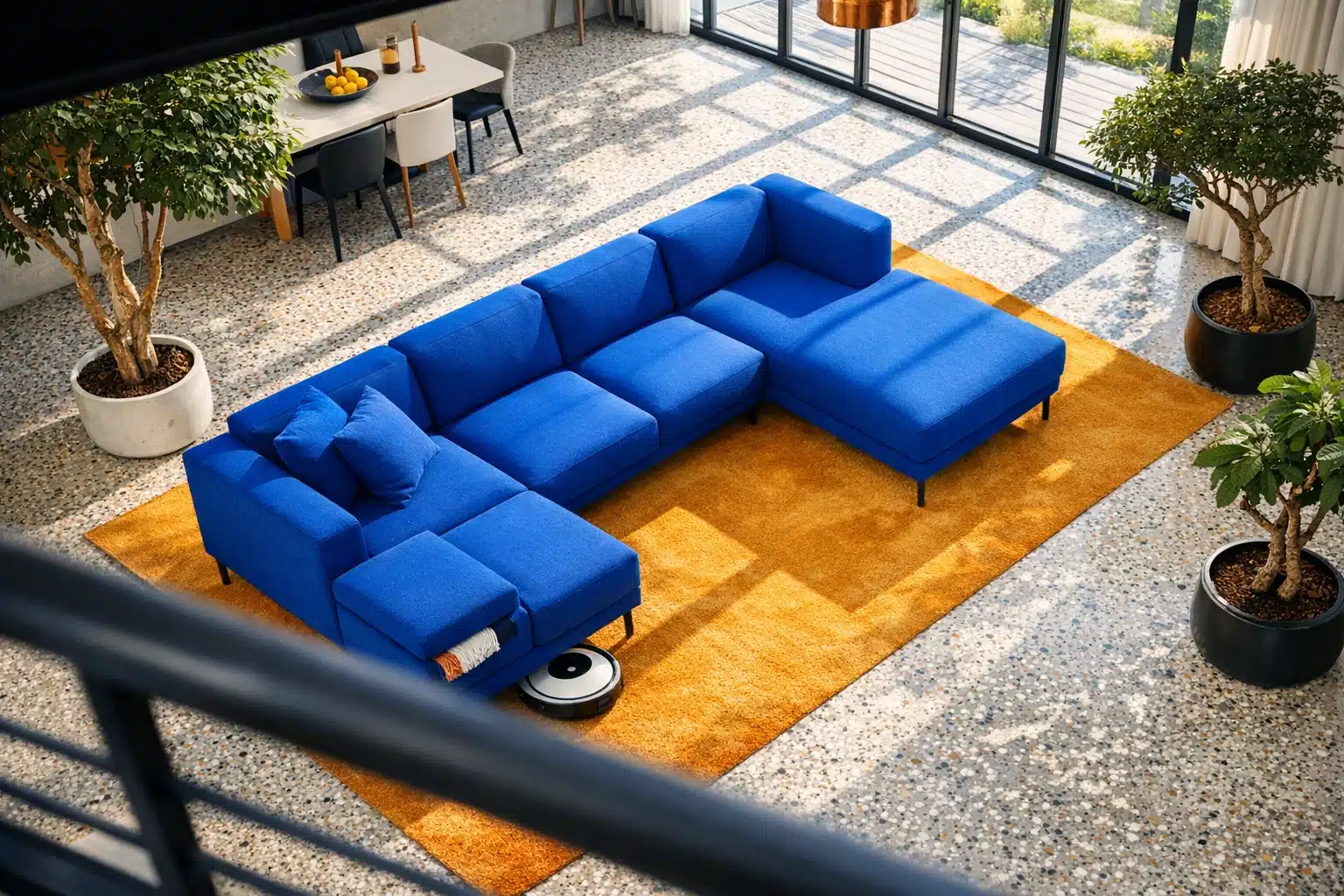
A corner sofa set is designed to use an angle, usually in an L-shape or U-shape, to provide generous seating while making efficient use of floor area. That sounds simple, but the layout you choose has a huge effect on how the room feels. An L-shaped model is the most common option and works well in medium-sized living rooms because it offers a balance between seating capacity and openness. A U-shaped arrangement, by contrast, creates a stronger social zone and can comfortably seat larger households, but it usually needs more surrounding space so the room does not feel crowded. Modular designs add another layer of flexibility because their pieces can often be rearranged, which is useful for renters, growing families, or anyone who likes refreshing a room without buying new furniture.
Style matters just as much as shape. A low-profile modern sofa with slim arms and raised legs tends to make a room appear lighter and more spacious. A classic design with rolled arms, deep cushions, and a skirted base can feel warmer and more traditional, but it may also look visually heavier. In compact homes, those details count. The sofa is often the largest object in the living room, so its silhouette can either calm the space or dominate it. You could say a corner sofa behaves like a quiet architect: it does not speak, yet it tells everyone where to sit, where to walk, and where the room begins to feel like home.
When comparing styles, it helps to think in practical categories:
-
Left-hand or right-hand facing models: essential for matching the room layout.
-
Chaise-end designs: ideal for lounging without needing a full U-shaped footprint.
-
Symmetrical corner sets: visually balanced and often best in larger rooms.
-
Recliner corner sofas: useful for TV rooms, though they require extra clearance.
-
Modular units: easier to adapt when room needs change.
Another point buyers often overlook is how a corner sofa can define zones in open-plan spaces. Instead of pushing every item against a wall, a well-placed sofa can separate the lounge area from dining or kitchen zones without using partitions. For example, in an open-plan room measuring roughly 6 by 5 meters, an L-shaped sofa placed with its back toward the dining section can create a neat visual boundary while keeping the space airy. That makes the corner sofa set not just a seating choice, but a planning tool. The best style is therefore not only the one that matches your decor; it is the one that supports the way your room actually works every day.
Space Planning, Measurements, and the Details That Prevent Costly Mistakes
Buying a corner sofa set without measuring properly is one of the fastest ways to create a frustrating living room. A sofa can look reasonable in a showroom or on a product page, then feel enormous once it enters a real home with doors, windows, radiators, shelves, and foot traffic to consider. Good space planning starts with accurate room measurements, but it does not end there. You also need to think about circulation, sightlines, and delivery access. A sofa that fits the room on paper may still fail to get through the front door, up a staircase, or around a tight hallway turn.
Start with the basics: measure the full length and width of the room, then note the location of windows, sockets, vents, radiators, doors, and any architectural features such as alcoves. After that, measure the maximum sofa footprint you can allow while still preserving comfortable movement. In most homes, a main walkway of about 75 to 90 centimeters feels practical. If the route is narrower, the room may feel pinched. The distance between the sofa and a coffee table often works best at about 40 to 45 centimeters, which allows easy reach without forcing people to shuffle sideways. These numbers are not rigid rules, but they are reliable planning guides.
One very effective trick is to mark the proposed sofa footprint on the floor using painter’s tape or sheets of newspaper. This gives you an instant sense of bulk. It also reveals whether the chaise section blocks a doorway or if the back of the sofa cuts the room in an awkward way. Buyers are often surprised by how much visual space a deep sofa takes up. For reference, many standard seat depths sit around 50 to 60 centimeters, while total sofa depth can easily go well beyond 90 centimeters. A deep, lounge-focused model may feel luxurious, but in a narrow room it can consume more space than expected.
Before placing an order, check these points carefully:
-
Overall width, depth, and height of the sofa.
-
Left-hand or right-hand orientation from the front-facing view.
-
Door, lift, hallway, and stair measurements for delivery.
-
Leg height if the sofa needs clearance for a robot vacuum or a lighter look.
-
Recliner extension space, if included.
-
Distance from TV, shelving, and heating sources.
Small rooms especially benefit from careful proportion. A 240 by 180 centimeter corner sofa can work beautifully in a modest lounge if it has slim arms, visible legs, and a light fabric. A similarly sized model with chunky arms and overstuffed cushions can look much larger. In bigger rooms, the opposite can happen: a sofa that seemed spacious in theory may look undersized and disconnected from the scale of the space. That is why room planning is not just about maximum dimensions. It is about choosing a size that leaves enough breathing room for the home to feel comfortable, balanced, and easy to live in.
Materials, Upholstery, and Build Quality: What Affects Durability and Daily Comfort
The outer fabric may catch your eye first, but the real quality of a corner sofa set comes from the combination of upholstery, frame construction, seat suspension, and cushion filling. If you want a sofa that still feels supportive after years of movie nights, visiting relatives, and lazy Sunday afternoons, these hidden details deserve close attention. A good-looking sofa can disappoint quickly if the cushions collapse, the fabric pills, or the frame begins to creak. On the other hand, a carefully built model often justifies a higher price because it delivers comfort and stability for much longer.
Let us start with upholstery. Polyester and polyester blends are common because they are relatively affordable, colorfast, and often durable enough for busy homes. Chenille feels soft and inviting, though it may show wear sooner in high-friction spots depending on weave quality. Velvet adds a rich appearance and catches light beautifully, but it can show pressure marks and may need more care. Leather remains popular for its longevity and ease of wiping down, especially in households where spills happen often. However, temperature sensitivity and the higher initial cost put some buyers off. Faux leather can be budget-friendly, yet lower-grade versions may crack or peel over time. Linen blends offer a relaxed, natural look, though they can crease more easily and may be less practical where rough use is expected.
If a product description includes a Martindale rub rating, it can offer a useful clue about wear resistance. For domestic use, around 15,000 rubs is often considered acceptable for lighter use, while 25,000 or more is commonly viewed as more suitable for busy family spaces. This is not the only sign of quality, but it helps when comparing fabrics. Cushion fillings matter too. Foam gives cleaner lines and firmer support; fiber feels softer but may require regular plumping; feather blends can feel luxurious yet need the most maintenance. Many buyers find hybrid cushions, such as foam cores wrapped in fiber, a sensible middle ground.
Inside the sofa, construction quality becomes crucial:
-
Frames made from hardwood or quality engineered wood tend to offer better stability than weaker softwood structures.
-
Corner-blocked or reinforced joints usually hold up better than simple stapled assembly alone.
-
Sinuous springs can provide reliable support in many modern sofas, while premium webbing and spring systems may improve comfort depending on design.
-
Removable cushion covers make cleaning simpler, especially in homes with children or pets.
There is also the matter of maintenance. A pale linen-look sofa may suit an airy interior beautifully, but a charcoal woven fabric might be more forgiving in a home with a dog that treats the furniture like shared territory. Materials should match lifestyle, not just a mood board. In practical terms, many households are happiest when they choose performance-oriented upholstery with decent stain resistance and a medium-tone color that hides everyday wear. The best material is therefore not the most luxurious in theory. It is the one that still looks and feels right after real life has spent time sitting on it.
Comfort, Features, and Matching the Sofa to Your Household Habits
Comfort is deeply personal, which is why one buyer’s dream sofa can be another buyer’s regret. Some people prefer a neat, upright seat that supports conversation and reading. Others want a deep, sink-in design that practically invites an afternoon nap before the tea has cooled. A smart corner sofa purchase depends on understanding how the household actually uses the living room. Is it a formal sitting area that sees occasional visitors, a family room used every evening, or a mixed space that needs to handle work calls, gaming, guests, and weekend lounging? The honest answer changes what features matter most.
Seat depth is a major factor. A shallower seat, often around 50 to 55 centimeters, tends to support upright posture and suits shorter users well. Deeper seats, especially those over 60 centimeters, feel more relaxed but may be less comfortable for people who prefer firmer back support unless extra cushions are used. Seat height matters too. Many sofas fall around 43 to 48 centimeters high, which works for a wide range of adults, but anyone with mobility concerns may want to avoid very low, soft seats that are difficult to rise from. Back height, arm width, and cushion firmness also influence everyday comfort more than many shoppers expect.
Features can add genuine convenience when chosen for the right reason:
-
Storage sections are useful in smaller homes where blankets, toys, or spare cushions need a discreet place.
-
Sleeper mechanisms can help frequent overnight guests, but they often add weight and complexity.
-
Recliners are excellent for media rooms, though they can limit styling flexibility and need extra operating space.
-
Removable covers are practical in family homes and can extend the life of the sofa.
-
Modular units are ideal when you expect to move house or rework the room later.
Household profile is often the best buying filter. For a couple in a flat, a compact chaise sofa with slim arms may offer enough lounging space without overpowering the room. For a family with children, durable fabric, rounded edges, wipe-clean surfaces, and easy-care cushion covers often matter more than a dramatic shape. For people who host often, a larger corner sofa with a balanced seat arrangement keeps conversations flowing because guests are not scattered around separate chairs. Even pet owners have specific needs: tighter weaves can resist snagging better than loose textures, and medium-tone fabrics often hide hair more gracefully than very dark or very pale shades.
There is also the emotional side of comfort. A sofa is where many ordinary moments happen: quiet mornings, chats after work, films that everyone pretends not to cry at, and the occasional accidental nap. That is why the right corner sofa set feels less like an object and more like a stage for daily life. When features, dimensions, and support all align with real habits, the sofa stops being a compromise and starts becoming one of the hardest-working pieces in the home.
Conclusion: How to Choose the Right Corner Sofa Set With Confidence
If you are shopping for a corner sofa set, the most useful mindset is to treat the purchase as a long-term home decision rather than a quick decor update. Style matters, of course, but layout, durability, comfort, and room fit matter just as much. A sofa that photographs beautifully but blocks movement, traps heat near a radiator, or feels awkward after half an hour will not age well in daily use. The best choice usually comes from balancing visual appeal with practical realities: who will use it, how often, and in what kind of room. For homeowners, that may mean investing a little more in stronger build quality and timeless upholstery. For renters, it may mean prioritizing modularity, manageable dimensions, and ease of transport.
Before making a final decision, it helps to run through a simple checklist:
-
Confirm the exact orientation and external dimensions.
-
Measure delivery routes as carefully as the room itself.
-
Compare upholstery with your household’s tolerance for maintenance.
-
Test seat firmness, depth, and back support whenever possible.
-
Ask about frame materials, cushion fillings, warranty terms, and return conditions.
-
Include delivery, assembly, and protection plans in the total budget if needed.
Maintenance should also be part of the value calculation. Regular vacuuming, quick attention to spills, cushion rotation where possible, and following the manufacturer’s cleaning guidance can noticeably extend a sofa’s life. Sunlight exposure matters too; strong direct light may fade some fabrics over time, so placement near large windows should be considered carefully. If you like to refresh interiors often, neutral upholstery offers flexibility, while texture and color can be introduced through cushions and throws rather than through the sofa itself.
For most readers, the smartest corner sofa set is not the biggest, trendiest, or most expensive model on the showroom floor. It is the one that suits the room, supports the people who use it, and continues to feel practical after the novelty of delivery day has passed. Choose with a tape measure in one hand and a realistic picture of your daily routine in the other, and you will be far more likely to end up with a sofa that feels right for years rather than merely impressive for a week.